

Remember when remote work felt like a futuristic concept, something reserved for the avant-garde tech companies? Well, the future arrived with a bang, didn’t it? Suddenly, entire workforces pivoted, transforming dining tables into desks and spare rooms into bustling home offices. It was a dizzying, exhilarating, and for many organizations, a terrifying transformation. The immediate priority was keeping the business running, ensuring productivity didn’t plummet. But beneath that urgent hum of video calls and shared documents lay a silent, growing concern: how do we secure all this without turning our newly agile teams into digital snails?
The Remote Revolution: A Double-Edged Sword
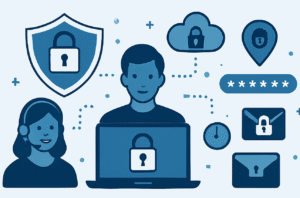 The global shift to remote and hybrid work models wasn’t just a temporary trend; it’s a fundamental change in how we operate. While it ushered in unprecedented flexibility, improved work-life balance for many, and opened doors to a global talent pool, it simultaneously stretched traditional security perimeters to their breaking point. The corporate network, once a fortified castle with clear boundaries, fragmented into countless individual homes, coffee shops, and co-working spaces. Each new endpoint, each personal device used for work, each unmanaged network became a potential entry point for adversaries.
For IT and security teams, this presented a colossal challenge. How do you protect sensitive data when it’s no longer confined within four walls? How do you maintain compliance standards when employees are accessing systems from unsecured home Wi-Fi networks? The answer, for many, often felt like a stark choice: tighten security to the point of frustrating users and grinding productivity to a halt, or prioritize speed and efficiency at the alarming risk of a breach. This perceived dichotomy between security and speed is a myth we, at AMSEC, are dedicated to debunking.
The Productivity Paradox: Why Security Can’t Be an Afterthought
The impulse to prioritize speed over security is understandable, especially when facing tight deadlines or competitive pressures. Who hasn’t felt that internal groan when a new security protocol adds an extra step to a login process? Yet, overlooking robust cybersecurity measures is akin to building a beautiful, high-performance race car without brakes. It might be incredibly fast for a short while, but the inevitable crash will be far more costly than any time saved. A significant data breach, for instance, doesn’t just result in financial penalties and reputational damage; it can halt operations for days or even weeks, completely obliterating any perceived productivity gains. The key is to integrate security seamlessly, making it an enabler, not an obstacle.
Navigating the New Threat Landscape
The expanded attack surface has been eagerly exploited by cybercriminals. Phishing attempts, targeting remote workers often less connected to real-time security updates or peer warnings, have skyrocketed. Ransomware attacks, often originating from a single compromised endpoint, can now spread laterally across an entire distributed network with devastating speed. Moreover, the blending of personal and professional devices means that vulnerabilities on a home laptop can inadvertently expose corporate data. It’s a Wild West out there, demanding a strategic, unified defense.
Building a Fortress Without Walls: Core Strategies for Agile Security
Securing remote teams effectively requires a fundamental rethinking of traditional security models. It’s no longer about simply blocking external threats at the perimeter. Instead, the focus shifts to robust internal controls, continuous monitoring, and proactive intelligence gathering. Here are the pillars of a secure, yet agile, remote work environment:
- **Zero Trust Architecture (ZTA):** This philosophy assumes no user, device, or application is inherently trustworthy, regardless of its location. Every access request is rigorously verified. Instead of trusting everything inside a perimeter, Zero Trust meticulously checks every single request. Imagine someone trying to enter a highly secure building: instead of just swiping a badge at the main entrance, they’d have to show their credentials, state their purpose, and get re-verified at every door they wished to open inside. This dramatically limits the damage a compromised account can inflict.
- **Robust Identity and Access Management (IAM):** This is the bedrock of Zero Trust. Strong IAM ensures that only authorized individuals have access to the resources they need, when they need them. Multi-Factor Authentication (MFA) becomes non-negotiable, adding layers of verification beyond just a password.
- **Continuous Attack Surface Monitoring and Internal Vulnerability Scanning:** You can’t protect what you don’t know exists. Organizations must continuously scan for vulnerabilities across all devices, applications, and cloud environments that remote teams utilize. This isn’t a once-a-year audit; it’s an ongoing process, identifying and remediating weaknesses before they can be exploited.
- **Dark Web Intelligence:** Cybercriminals frequently trade stolen credentials and discuss attack plans on the dark web. Monitoring these clandestine corners can provide early warnings, allowing organizations to proactively reset compromised passwords or bolster defenses against emerging threats. It’s like having an early warning system for incoming cyber storms.
- **Real-time Threat Response:** When an incident does occur, speed is paramount. Detecting and responding to threats in real-time minimizes dwell time, reducing the potential damage and data exfiltration. Automation plays a critical role here, allowing immediate action without human intervention slowing things down.
- **Comprehensive Endpoint Protection:** Every device used by a remote employee is a potential gateway. Advanced endpoint detection and response (EDR) solutions go beyond traditional antivirus, providing deeper visibility into activities and enabling swift containment of threats.
- **Security Awareness Training:** Technology alone is never enough. Employees are often the first line of defense, but also the most common point of failure. Regular, engaging, and relevant training on phishing, social engineering, and secure remote work practices empowers them to be active participants in the organization’s security posture.
Implementing these strategies might seem daunting, especially for businesses navigating a rapidly changing landscape. The beauty lies in integrating them into a cohesive, manageable system, ensuring that individual security measures work in concert for maximum effect and efficiency.
| **Security Measure** | **Why It’s Crucial for Remote Teams** | **Impact on Speed/Productivity** |
| Zero Trust Architecture | Assumes no user/device is trusted by default; limits breach impact. | Initially requires careful setup; long-term enhances security without impeding verified access. |
| Identity & Access Management (IAM) with MFA | Ensures only authorized users access resources; prevents credential stuffing. | Slight initial friction for MFA, but significantly boosts security; quick once adopted. |
| Continuous Vulnerability Scanning | Identifies and remediates weaknesses proactively across distributed assets. | Runs in background; fixes prevent disruptions from breaches. |
| Dark Web Intelligence | Early warning for compromised credentials or emerging threats. | Proactive defense; prevents widespread access issues and remediation efforts. |
| Real-time Threat Response | Minimizes dwell time and damage from active threats. | Rapid, automated action prevents lengthy outages and data loss. |
| Endpoint Protection (EDR) | Monitors and secures every device, even outside traditional network. | Seamlessly protects in background; prevents device compromise that slows users. |
| Security Awareness Training | Empowers employees to recognize and report threats. | Small time investment yields massive returns in preventing human error related breaches. |
AMSEC’s Unified Approach: Clarity, Speed, and Precision
At AMSEC, we understand the incredible pressure IT managers and cybersecurity professionals face. You need solutions that don’t just add more tools to your already overflowing toolkit, but integrate seamlessly to provide a holistic view and proactive defense. Our platform, born from the merger of RedRok and AMSYS, brings together decades of expertise to simplify and strengthen cyber defense for organizations of all sizes.
We combine continuous attack surface monitoring, internal vulnerability scanning, dark web intelligence, identity management, and real-time threat response into a single, unified platform. This means you gain clarity over your entire security posture, speed in identifying and neutralizing threats, and precision in your defenses. For enterprises, MSPs, and MSSPs, this integrated approach bridges the gap between complex cybersecurity challenges and accessible, actionable solutions, ensuring your remote teams remain both secure and incredibly productive. It allows your teams to work efficiently, knowing that robust, AI-powered protection is working silently in the background.
The Human Element: Your Most Potent Defense
While technology forms the backbone of modern cybersecurity, the human element remains paramount. Engaged, informed employees are an invaluable asset. When team members understand the risks and are empowered with the knowledge and tools to act securely, they become an extension of your security team. This isn’t just about compliance; it’s about fostering a culture of security where everyone plays a part, without feeling encumbered by the process. It’s about instilling confidence, not fear, so that creativity and collaboration can flourish.
Frequently Asked Questions (FAQ)
Q: What is Zero Trust Architecture (ZTA) and why is it important for remote teams?
A: Zero Trust Architecture assumes no user, device, or application is inherently trustworthy, regardless of its location. It’s crucial because it rigorously verifies every access request securing remote teams, dramatically limiting the damage a compromised account can inflict across a distributed network.
Q: How can organizations maintain security without hindering productivity?
A: The article debunks the myth that security and speed are opposing forces. By integrating security seamlessly through solutions like robust Identity and Access Management (IAM), real-time threat response, and advanced endpoint protection, security becomes an enabler, not an obstacle, preventing costly breaches that halt operations.
Q: What role does Dark Web Intelligence play in securing remote work?
A: Dark Web Intelligence involves monitoring clandestine online corners where cybercriminals trade stolen credentials and discuss attack plans. It provides early warnings, allowing organizations to proactively reset compromised passwords or bolster defenses against emerging threats, acting as an early warning system.
Q: Why is employee security awareness training still vital with advanced tech?
A: Technology alone is never enough. Employees are often the first line of defense and the most common point of failure. Regular, engaging training on phishing, social engineering, and secure remote work practices empowers them to actively participate in the organization’s security posture, preventing human error-related breaches.
Q: What are the main challenges posed by the remote work revolution for cybersecurity?
A: The main challenges include stretching traditional security perimeters to their breaking point, fragmenting the corporate network into countless individual locations, and creating potential entry points for adversaries through each new endpoint, personal device, and unmanaged network. This expanded attack surface demands a strategic, unified defense.
Q: How does AMSEC’s platform help address these challenges?
A: AMSEC’s platform provides a unified approach by combining continuous attack surface monitoring, internal vulnerability scanning, dark web intelligence, identity management, and real-time threat response into a single solution. This offers clarity, speed, and precision in defense, ensuring remote teams remain secure and productive.
Ultimately, securing remote teams without slowing them down isn’t about compromise; it’s about intelligent integration. It requires moving beyond outdated security paradigms and embracing modern, adaptive solutions. By adopting a Zero Trust mindset, leveraging comprehensive platforms, and continuously educating your workforce, you can create an environment where your remote teams are not only productive but also resilient against the evolving cyber threats of our digital world. This strategic approach ensures that your organization, regardless of its distributed nature, remains robust, agile, and always a step ahead. For any organization seeking to enhance their digital defenses, partnering with an experienced cybersecurity company can make all the difference.