

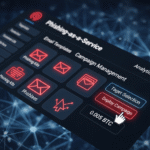
 In today’s fast-paced digital world, cybercriminals are leveraging innovative new methods to exploit weaknesses in organizational defenses. Among these tactics, Phishing-as-a-Service (PhaaS) is rapidly gaining traction. This alarming trend involves malicious actors offering their phishing expertise to other cybercriminals, effectively outsourcing the process of executing phishing attacks. Understanding this threat is crucial for security teams tasked with protecting sensitive data and infrastructure.
The Emergence of Phishing-as-a-Service
The concept of PhaaS is not entirely new, but recent advancements in technology and the commercialization of cybercrime have made it more prevalent. Essentially, PhaaS platforms function like legitimate software-as-a-service offerings, where cybercriminals can pay a subscription fee to access sophisticated phishing tools. These platforms offer user-friendly interfaces, templates, and even customer support, lowering the barriers to entry for would-be attackers with limited technical skills.
Components of a PhaaS Platform
To fully comprehend the threat posed by PhaaS, it is important to break down its components. Typically, a PhaaS platform includes:
| Email Templates | Pre-designed templates that mimic legitimate communications from trusted brands or institutions. |
| Automation Tools | Features that automate the sending of emails to a large list of targets. |
| Data Analytics | Tools that track the success of phishing campaigns, such as open rates and click-through rates. |
| Training and Support | Guidance and support for creating effective phishing emails. |
By providing such comprehensive services, PhaaS platforms democratize access to cybercrime, making it significantly easier for non-experts to conduct phishing attacks.
Impact on Cybersecurity Teams
The rise of PhaaS presents several challenges for cybersecurity teams, increasing the difficulty of defending against phishing attacks. The mass production and automation of these attacks mean that organizations might face a higher frequency of phishing attempts. Simultaneously, the level of customization and sophistication of these attacks can make them harder to detect and prevent.
Moreover, with PhaaS, cybercriminals can target not only large enterprises but also small and medium-sized businesses that might lack sophisticated cybersecurity defenses. This widespread vulnerability necessitates a heightened state of vigilance and the need for robust defensive strategies across businesses of all sizes. Utilizing a comprehensive platform like AMSEC’s can aid these efforts by providing real-time threat intelligence, attack surface monitoring, and vulnerability scanning to preemptively identify and mitigate phishing threats.
Case Studies and Real-World Examples
One notable instance of PhaaS in action involved an elaborate scheme where a group of attackers used a PhaaS platform to impersonate a popular online payment service. They crafted emails that lured recipients into updating their account information via a fake website. This level of targeted crafting demonstrated how PhaaS platforms empower attackers to execute convincing scams at scale, leading to significant financial loss for individuals and undermining user trust in legitimate services.
Strategies to Combat Phishing-as-a-Service
To counter the sophisticated threats posed by PhaaS, cybersecurity teams must adopt comprehensive strategies that include technological and human elements. These strategies should encompass:
Advanced Threat Detection
Integrating solutions that utilize artificial intelligence and machine learning can enhance an organization’s ability to detect phishing attempts based on behavioral patterns and anomalies. By analyzing large volumes of data in real time, these tools enable businesses to quickly identify and respond to phishing threats.
User Education and Awareness
Organizations should implement regular training sessions for employees to recognize phishing attempts. By fostering a culture of vigilance, employees become an active line of defense, able to spot suspicious communications and report them promptly.
As businesses seek comprehensive protection, leveraging experts like AMSEC can bridge the gap between complex cybersecurity challenges and actionable solutions. Positioned as a leading cyber security service houston, AMSEC offers cutting-edge security tools tailored to the unique needs of enterprises, managed service providers, and security providers, ensuring clarity, speed, and precision amidst evolving threats.
Key Takeaways
As the landscape of cyber threats continues to evolve, understanding the rise of Phishing-as-a-Service is critical for cybersecurity teams tasked with safeguarding their organizations. By staying informed about the methods and implications of PhaaS, employing advanced detection technologies, and prioritizing employee education, businesses can bolster their defenses against these pervasive attacks. With platforms like AMSEC, organizations can achieve real-world impact and resilience in a landscape shaped by rapidly advancing cyber threats.
FAQ
What is Phishing-as-a-Service?
PhaaS is a criminal model where malicious actors offer their phishing expertise as a service to other cybercriminals, allowing them to outsource phishing attacks with ease.
How do PhaaS platforms operate?
These platforms function like legitimate SaaS offerings, providing users with phishing tools, templates, and customer support in exchange for a subscription fee.
Why is PhaaS a growing threat?
The convenience and accessibility of PhaaS platforms lower the barriers for conducting phishing attacks, increasing the frequency and sophistication of such threats.
What impact does PhaaS have on businesses?
PhaaS increases the difficulty for businesses to defend against phishing attacks, requiring enhanced vigilance and advanced cybersecurity measures.
What strategies can mitigate the threat of PhaaS?
Businesses can implement advanced threat detection technologies and educate employees to recognize and respond to phishing attempts effectively.